


How Learning Spanish Shapes Your Child’s Identity

Updated: May 7, 2024

Exploring how language acquisition and cultural immersion shape our identities has been a profound passion of mine. This transformative journey has had a significant impact on me, but now, witnessing it unfold in my children is mind-blowing.
In a world as diverse as ours, language isn't just about communication — it plays a key role in shaping someone’s identity. Whether your child is learning one language or embracing multilingualism, the journey of language acquisition deeply influences who they are.
By now, you’re probably thinking: maybe this only really applies to kids with a cultural heritage who are learning their family's language — actually, this journey impacts both monolinguals and heritage language learners.
But before we get to the nit and gritty of this amazing topic, I want you to think of the following questions:
Ever noticed how your child's personality seems to bloom when they're picking up new words? How do you think language learning influences their sense of self?
Are you raising your child in a multilingual environment? What challenges have you faced, and what joys have you discovered along the way?
For those reconnecting with a heritage language, what does it mean to you to pass down your family's language and culture to the next generation?
How do you think language and identity are connected? Can learning a new language open up new pathways for your child to explore who they are and where they come from?
Alrighty, now that we've got our brains thinking, grab your cafecito (you better believe I already have mine), cozy up, and let's get started!
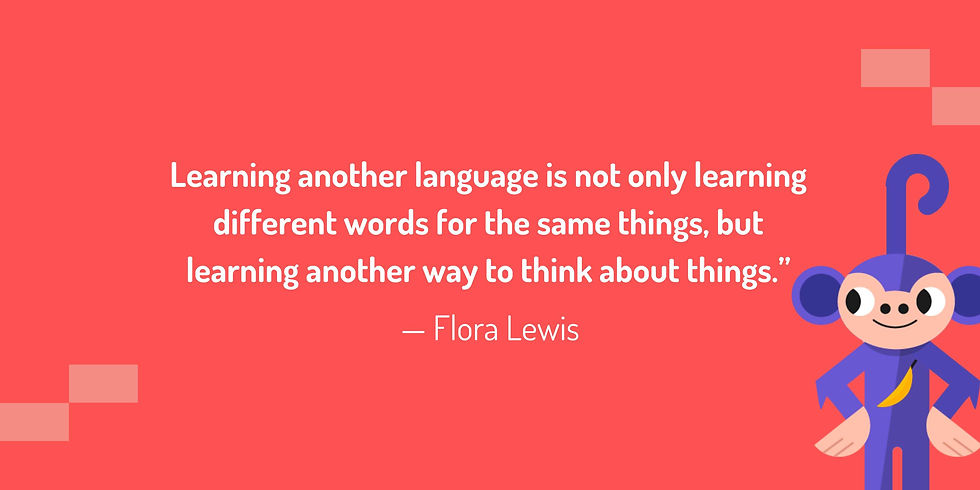
As I mentioned before, learning a language can profoundly shape your child’s identity, whether they are monolingual or heritage language speakers.
For monolingual speakers, learning a new language can broaden their cultural horizons, challenge their perspectives, and provide them with a sense of connection to other communities.
For heritage language speakers, learning and reconnecting with their heritage language can strengthen their cultural identity, foster a deeper connection to their roots, and facilitate communication with family members and their heritage community.
But let’s look into it deeper…
Imagine your child learning a second language — it's like they’re opening a new window in their house where they can see and experience a completely different landscape. This isn't just about swapping one word for another — it's about embracing an entirely new way of living and thinking.

As a bilingual myself, not only do I get to understand and embrace the world through a different lens, but I also continue to see my own culture and language (Spanish) through a different and enriched perspective.
While your child learns to communicate in this new language, they're also getting a peek into its culture and traditions, which can really broaden their own perspectives — they begin to see themselves as part of a larger world!
But it not only stops there!
The incredible confidence boost that comes from learning a new language — from a new word to an understood conversation — marks a real achievement for your child and
directly contributes to their self-esteem, helping shape their identity. They gain a more complex understanding of who they are and how they relate to the world around them.
These small victories are important in positive psychology, which highlights the benefits of acquiring new skills and the positive impact this has on your child’s mental health and well-being.
This growing confidence and accumulation of successes can inspire them in other areas of their life, further enriching their personal development.
Exploring how language learning transforms our children is truly fascinating. It's not just about grammar and vocabulary — it's about helping them grow into global citizens who appreciate the diverse cultures of our world.
This journey can shape their identities in amazing ways. By weaving practical, engaging activities into their everyday lives, we can enrich their experiences that don't just boost their language skills, but also deepen their personal growth and appreciation for different cultures.
Now, let's dive into some fun and effective strategies to support your child on their Spanish learning journey:
Cultural and Spanish Immersion at Home
Decorate a room or a corner of your home with items that reflect Spanish-speaking cultures. This could include artwork, traditional textiles, or photographs.
Make this corner about your child’s interests — is your child into animals? Tailor this area to your child's interests — for example, if they love animals, you could explore and learn about various animals native to Spanish-speaking countries, discussing their behaviors, habitats, and more.
Community Connection
Try to keep in touch regularly with friends or family who speak Spanish fluently. This real-life practice is incredibly valuable, making the language more relevant and emotionally engaging.
It's one of the main reasons we provide this experience at Lingo Plaza — where we connect learners with tutors from Latin America. I knew this was something not only my children needed but also many other families looking into cultivating a love for Spanish and Hispanic culture.
From my time as a foreign language educator, one of the most rewarding experiences was seeing the excitement shared between my students and me during our lessons. This shared multicultural experience is something that both my students and I will always cherish, and I certainly know, it positively impacted their language-learning journey.
Feedback and Adaptation
Make it a point to communicate with your child about how they're feeling with their language learning journey. Ask them what parts they're really enjoying or what grabs their interest the most. This kind of feedback is super helpful because it lets you tweak your approach to better fit what they like and how they learn best. By shaping the learning process around their interests and preferred styles, you can make it more fun and effective for them, which can really boost their enthusiasm and progress.
It’s evident that this journey is about so much more than just acquiring a new way to communicate. It’s about opening their minds to the vast cultural landscapes around the world, helping them grow into global citizens who appreciate diversity and are capable of thinking from multiple perspectives.

Incorporating practical, engaging activities like decorating a cultural corner at home, connecting with native speakers, and tailoring learning approaches based on your child’s feedback ensures that learning Spanish is not just educational but deeply enriching. These strategies foster not only language skills but also a profound connection to their own and others' cultures.
The joy and growth we see as they pick up new words, grasp new concepts, and connect with diverse communities are truly rewarding. As someone who has experienced the thrill of teaching and learning languages, I can attest to the deep, lasting impact these experiences have on young minds. They do more than learn a language — they build bridges to new worlds.
Let's keep nurturing this curiosity and openness in our children, adjusting as we go and celebrating every little success. As we continue this journey together, let's savor the moments of learning and connection, ensuring our children feel supported and excited about their path to becoming more engaged global citizens.
Here’s to more insightful discussions, shared cultural experiences, and the vibrant future they promise. So, refill your cafecito, and let's keep the momentum going, embracing every opportunity to enhance our children's lives through language.
Seeking a nurturing environment for your bilingual child to practice Spanish and explore cultural experiences?
By Lily Hagen is a foreign language educator, bilingual parenting expert, and founder of
Lingo Plaza, committed to nurturing linguistic and cultural growth in young minds.


Gracias Lingo Plaza por una vez más recordarnos el valor de levantar familias bilingües, de abrazar nuestras costumbres y raíces que son las que le dan forma a nuestra identidad.